

A Piece of Christian Heritage
A History Worth Knowing
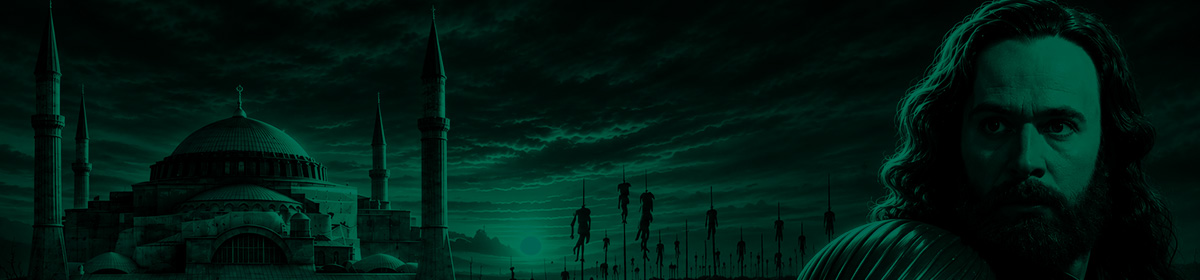
The Hagia Sophia, located in Istanbul, Turkey, is one of the most famous historical buildings in the world. Its history spans nearly 1,500 years, reflecting the influence of both Christianity and Islam. 537 AD – Built as a Church: The Hagia Sophia was constructed under Byzantine Emperor Justinian I in Constantinople (modern-day Istanbul). It became the largest cathedral in the world and was famous for its enormous dome and beautiful mosaics. 1054 – Eastern Orthodox Cathedral: It became a major symbol of Eastern Orthodox Christianity following the Great Schism between the Eastern and Western Churches. 1453 – Converted into a Mosque: After the Ottoman Empire conquered Constantinople, Sultan Mehmed II converted the Hagia Sophia into a mosque. Islamic features, including minarets and calligraphy, were added. 1935 – Became a Museum: Under Mustafa Kemal Atatürk, the founder of modern Turkey, the Hagia Sophia was turned into a museum, representing both its Christian and Islamic heritage. 2020 – Reopened as a Mosque: The Turkish government converted the Hagia Sophia back into a functioning mosque, while keeping it open to visitors.
The Hagia Sophia is a masterpiece of Byzantine architecture and a symbol of Istanbul’s rich religious and cultural history. Its massive dome, intricate mosaics, and Islamic decorations reflect centuries of interaction between different civilizations. In summary: The Hagia Sophia has served as a Christian cathedral, an Ottoman mosque, a museum, and once again a mosque, making it one of the world’s most historically significant monuments.
“Your country is desolate, your cities burned with fire; your fields are being stripped by foreigners right before you and overthrown like when strangers plunder them.” Isaiah 1:7